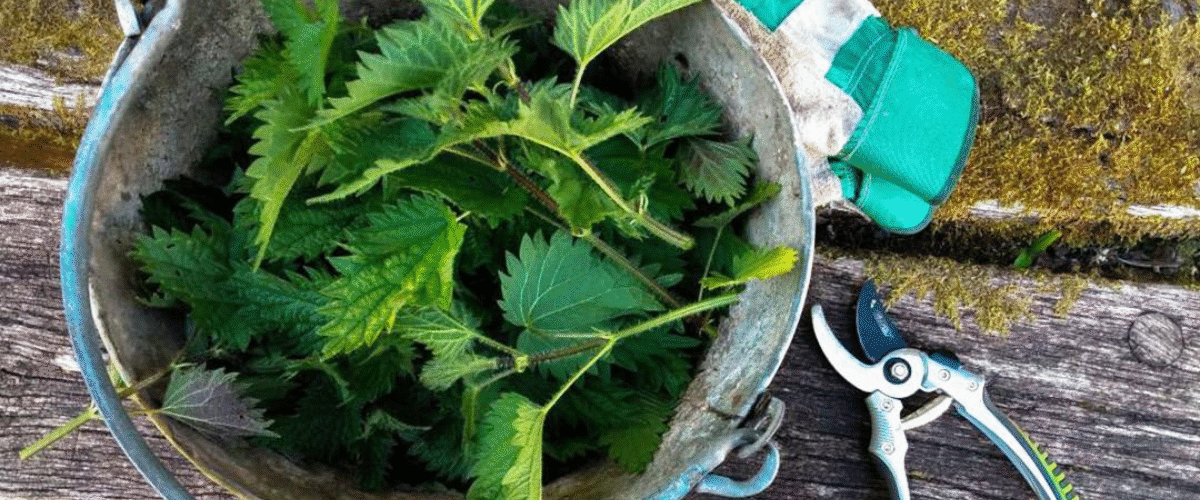
Nettles might sting your skin, but they’re pure gold for your garden 🌿. Both as a fertilizer and insecticide, nettles (Urtica dioica) offer a powerhouse of benefits for organic and sustainable gardening.
🌱 Why Nettle Fertilizer Is a Game-Changer
Nettle fertilizer—often called nettle tea or liquid plant manure—is a nutrient-rich tonic that boosts plant health and soil vitality:
- Nutrient-dense: Packed with nitrogen, potassium, phosphorus, and trace minerals essential for plant growth.
- Improves soil structure: Adds organic matter, enhances water retention, and stimulates microbial activity.
- Slow-release effect: Fermentation makes nutrients more bioavailable, feeding plants steadily over time.
- Cost-effective & eco-friendly: No need for synthetic fertilizers—just wild nettles and water.
🧪 How to Make Nettle Fertilizer
Here’s a simple DIY method:
Ingredients:
- Fresh nettle leaves (wear gloves!)
- Large container or bucket
- Water
Instructions:
- Harvest nettles in spring or early summer.
- Mix 1 part nettle leaves to 10 parts water in a container.
- Steep for 2–3 weeks, stirring every few days.
- Strain and dilute the liquid (1:10 ratio) before applying to plants.
🐛 Nettle as a Natural Insecticide
Nettle spray can help deter pests like aphids and mites:
- Strong aroma repels insects naturally.
- Safe for beneficial insects like bees and ladybugs.
- Can be made by steeping nettles for a shorter time (1–2 days), then spraying directly on affected plants.
🌿 Pro Tips
- Use gloves when handling nettles—they sting!
- Apply fertilizer every 2–3 weeks during the growing season.
- Avoid using on seedlings—it’s potent stuff!
Nettles are the ultimate underdog of the garden world—once dismissed as weeds, now revered as green gold. If you’d like, I can help you plan a full organic gardening routine using other wild plants too.