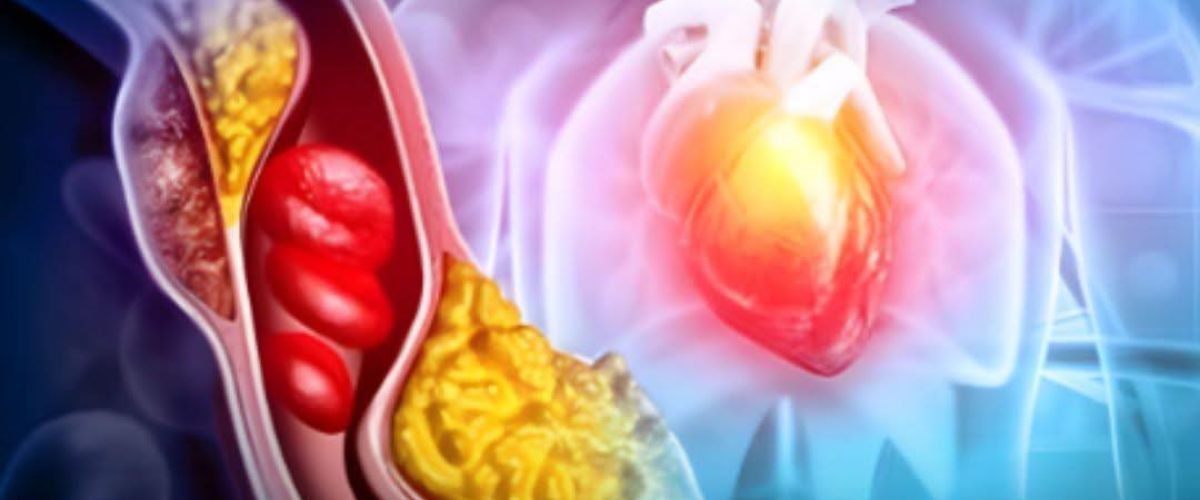
Die Arterien sind das Leitungssystem unseres Körpers – sie transportieren sauerstoff- und nährstoffreiches Blut zu jeder einzelnen Zelle. Genau wie ein Haus mit defekten Wasserleitungen dem Untergang geweiht ist, so ist auch der Körper dem Untergang geweiht, wenn wir zulassen, dass die Arterien verstopfen und verhärten.
Eine Ernährung mit hohem Anteil an gesättigten Fettsäuren, verarbeitetem Zucker und Zusatzstoffen, Rauchen, übermäßiger Alkoholkonsum und Bewegungsmangel verringern den Durchmesser der Arterien, da sich Ablagerungen an den Wänden bilden. Dieser Zustand wird als Arteriosklerose bezeichnet – eine Verdickung der Arterienwände durch Plaquebildung – und ist ein wichtiger Risikofaktor für Herzerkrankungen, Herzinfarkt und Schlaganfall.
Herzkrankheiten sind weltweit die häufigste Todesursache, insbesondere im Westen, und betreffen Menschen aller Altersgruppen und Bevölkerungsschichten.
Kann man verstopfte Arterien wieder heilen?
Laut WebMD können einfache Änderungen des Lebensstils, beispielsweise der Ernährung, einen Teil der Schäden an den Arterien rückgängig machen. Sie verweisen auf Dr. Dean Ornish, dessen Studien belegen, dass signifikante Lebensstiländerungen einen großen Einfluss auf die Herzgesundheit haben. Seine Studien zeigen, dass selbst stark verengte Herzkranzgefäße nach einem Jahr weniger verstopft waren und sich der Zustand nach fünf Jahren sogar noch weiter verbesserte.
Ausführlichere Informationen finden Sie in meinem Artikel über die 5 Lebensstiländerungen, die fast 80 % aller Herzinfarkte verhindern könnten.
Die besten Lebensmittel zur Reinigung der Arterien und zur Vorbeugung von Arterienverstopfungen
Genauso wie man die Arterien durch die Ernährung schädigen kann, kann man sie auch durch die Wahl der richtigen Lebensmittel gesund erhalten.
Hier ist eine Liste von Lebensmitteln, die helfen, Ihre Arterien zu reinigen und verstopften Arterien vorzubeugen:
1. Kiwis und Cantaloupe-Melonen reduzieren das Risiko für Herzerkrankungen
Kiwis und Cantaloupe-Melonen sind reich an Antioxidantien, die den LDL-Cholesterinspiegel (das sogenannte „schlechte Cholesterin“) im Blut senken und die Ablagerung von Plaques in den Arterienwänden reduzieren.
Eine medizinische Studie kam zu dem Schluss, dass Kiwis die kardiovaskulären Risikofaktoren senken können.
Cantaloupe-Melone enthält Ballaststoffe, Kalium, Vitamin C und Cholin, die zur Herzgesundheit beitragen.
Iss täglich eine Kiwi oder eine Tasse Cantaloupe-Melone.
2. Fettreiche Fische tragen zur Reinigung der Arterien bei.
Lachs, Thunfisch und Hering enthalten allesamt Omega-3-Fettsäuren, die eine Quelle gesunder Fette darstellen und die Bildung von Ablagerungen in den Arterien verhindern.
Laut der Harvard Medical School ist der Verzehr von Fisch mit einem geringeren Risiko für Herzinfarkte verbunden.
Achten Sie darauf, nachhaltig gefangenen Fisch zu kaufen und vermeiden Sie den Kauf von Zuchtlachs, da dessen Fleisch in der Regel giftige Chemikalien enthält und weniger Omega-3-Fettsäuren aufweist.
Lesen Sie hier mehr über die erstaunlichen gesundheitlichen Vorteile von Omega-3-Fischöl.
Taking omega 3 is also one of the 70 habits featured in my e-book 70 Powerful Habits For A Great Health which will guide you how to take positive steps to improve your wellness and overall health.
3. Berries and red grapes help prevent cardiovascular disease and vascular calcification in your arteries
Grapes contain flavonoids (natural antioxidants), which stop the bad cholesterol from oxidizing. According the medical journal, Nutrients, flavonoids could help prevent heart disease and protect the arterial walls.
Strawberries, cherries, cranberries and other berries contain powerful antioxidants and are packed with vitamins. Buy them organic to avoid the pesticide overload.
You can find more information about the incredible healing properties of berries in my e-book The Healing Berry Guide.
4. Garlic helps keep arteries clean
Garlic has many medicinal properties and one of them is protection against heart disease. Garlic reduces blood pressure and bad cholesterol levels.
For example, one study found that taking garlic can both prevent heart disease and treat symptoms of heart disease.
For medicinal effect, eat one to two minced raw garlic cloves. If you use supplements, look for the amount of allicin which is the garlic’s active ingredient. Also make sure to avoid these common mistakes when using garlic for its medicinal benefits.
5. Apples and grapefruits keep your arteries clean
An apple a day keeps the doctor away. The pectin (soluble fiber) in these fruits, lowers the bad cholesterol, while the minerals potassium and magnesium help to control blood pressure.
Magnesium also helps to prevent plaque buildup in the arteries, helping to prevent clogged arteries.
6. Spinach helps to reduce atherosclerosis
Spinach is rich in vitamins A and C, which help to prevent the clogging plaque from developing in the arteries.
One medical study claims that vitamin C is a powerful antioxidant that “inhibits oxidation of LDL-protein, thereby reducing atherosclerosis.” The same study suggests that vitamin C deficiency is associated with a higher risk of mortality from heart disease.
Popeye’s favorite food also contains lots of potassium and folic acid, thus lowering blood pressure.
7. Olive oil helps to prevent clogged arteries
Studies showed that drinking one or 2 tablespoons every day of extra virgin olive oil can help to keep your heart healthy and prevent heart disease.
Make sure to use extra virgin olive (EVOO) and apply moderation in the amounts you consume as fat is still fat. According to studies, you only need to consume 40 ml of olive oil weekly to protect your arteries and prevent heart disease.
Read more about the fantastic health benefits of olive oil.
8. Tomatoes keep your arteries clean
Tomatoes contain powerful antioxidants that prevent the oxidization of LDL cholesterol and keep your arteries clean.
According to medical studies, tomatoes are a rich source of lycopene, beta-carotene, folate, potassium, vitamin C, flavonoids, and vitamin E. If you consume tomatoes regularly, you can cut your risk of arteriosclerosis by 50%.
9. Green tea helps prevent vascular calcification in your arteries
Flavonoids in green tea are powerful antioxidants. According to one medical study drinking a few cups of green tea every day is associated with a lower risk of stroke and cardiovascular disease.
A good quality green tea will also prevent the formation of blood clots and help maintain healthy linings of the arteries.
Find more information about the amazing health benefits of green tea.
10. Pomegranate can help clean your arteries
Pomegranate is another great antioxidant-rich fruit. Pomegranate prevents the hardening of the arteries and can even reverse arteriosclerosis.
Scientific studies about pomegranate
Back in 2000, a study published in the American Journal of Clinical Nutrition, provided evidence that pomegranate’s juice has potent antiatherogenic effects. In other words, pomegranate juice can protect against the formation of fatty deposits within the walls of arteries. This was connected to the fruit’s antioxidative properties.
Pomegranate is rich in polyphenols and other antioxidants. These play an important role in the prevention of atherosclerotic lesions and decrease oxidation of LDL (low-density lipoprotein) cholesterol.
In 2004, a group of Israeli scientists examined the effect of pomegranate juice on a group of patients with an already existing carotid artery stenosis (narrowing of the arteries that supply the head and neck with blood).
Ten patients were given pomegranate juice for one year and five of them continued for up to three years.
The results showed a reversal in carotid artery stenosis by up to 30%. Patients’ blood pressure decreased as well. People in the control group, who did not consume pomegranate juice, had their arterial blockages increased by 9%, which gave further support to pomegranate’s heart-protecting potential.
In 2013, the journal Atherosclerosis published a pomegranate-related study. Mice with a genetic susceptibility towards spontaneous coronary artery blockages were given pomegranate extract.
After two weeks, it was observed that the atherosclerotic features reduced. This study, too, confirmed that pomegranate reduces oxidative stress and inflammation in the vessel walls, which protects the blood vessels against the formation of ominous plaque.
Pomegranate’s characteristics that help prevent cardiovascular disease
Pomegranate has the following, scientifically proven, properties:
- It has an anti-inflammatory effect – inflammation often plays a major role in the development of chronic conditions, including heart disease. You can read more about inflammation and the damage it causes in my previous article.
- It lowers blood pressure. Find here more ways to reduce you blood pressure naturally.
- It has anti-bacterial and anti-viral properties – secondary viral and bacterial infections often develop due to plaque buildup, including hepatitis C and Chlamydia pneumonia.
- It is a powerful antioxidant and reduces oxidative stress in the blood.
Pomegranate both prevents and reverses atherosclerosis. It improves blood flow through the heart and promotes a healthy blood pressure, giving you an all-round protection from heart and vessel diseases.
Including this fruit in your diet appears to be a good decision. Eat it fresh or get concentrated juices and extracts and enjoy its taste and health benefits. Research has shown some heart health benefits from as little as two ounces of pomegranate juice a day.
There are many more reasons to eat pomegranate every day.
11. Oats and other whole grains keep the artery walls clean and prevent heart disease
Due to the high content of soluble fiber, oats lower “bad” cholesterol (LDL) by removing it from the body. According to medical studies whole grains help to keep the artery walls clean and prevent heart disease. In fact whole grains are proven to protect your heart.
Eat 1/2 cup of oat-bran cereal daily to help reduce your bad cholesterol levels and cleanse your arteries. You can eat it for breakfast and add in oatmeal or bran to dishes at other times of the day.
12. Walnuts
Walnuts contain polyunsaturated fats that are primarily found in plant-based oils and foods and can improve your cholesterol levels, decrease your heart disease risk, lessen your chance of type 2 diabetes and regulate blood pressure.
Walnuts also contain omega-3 fatty acids that help clear clogged arteries.
Eating a small, palm-sized portion of walnuts per day will help to clean the arteries and keep blood flow strong throughout your body.
There are other healthy reasons to eat walnuts every day.
13. Turmeric protects arteries from fatty buildup
Turmeric is a common spice that has many health benefits. Turmeric may protect the arteries from fatty buildup according to a research in mice. The study suggests that curcumin, the active ingredient in turmeric, may prevent the development of clogged arteries which is a major risk factor for heart attacks and strokes.
Curcumin wird vom Körper nicht leicht aufgenommen, aber Sie können seine Aufnahme verbessern, indem Sie die Vorschläge in meinem Artikel zur Optimierung der Kurkuma-Aufnahme für maximale Wirkung nutzen.

Folgen Sie unserer Seite, geben Sie ein Like

und teilen Sie diesen Beitrag. Jeder Klick kann den Unterschied machen – vielleicht retten Sie damit Ihr eigenes Leben oder das eines geliebten Menschen.