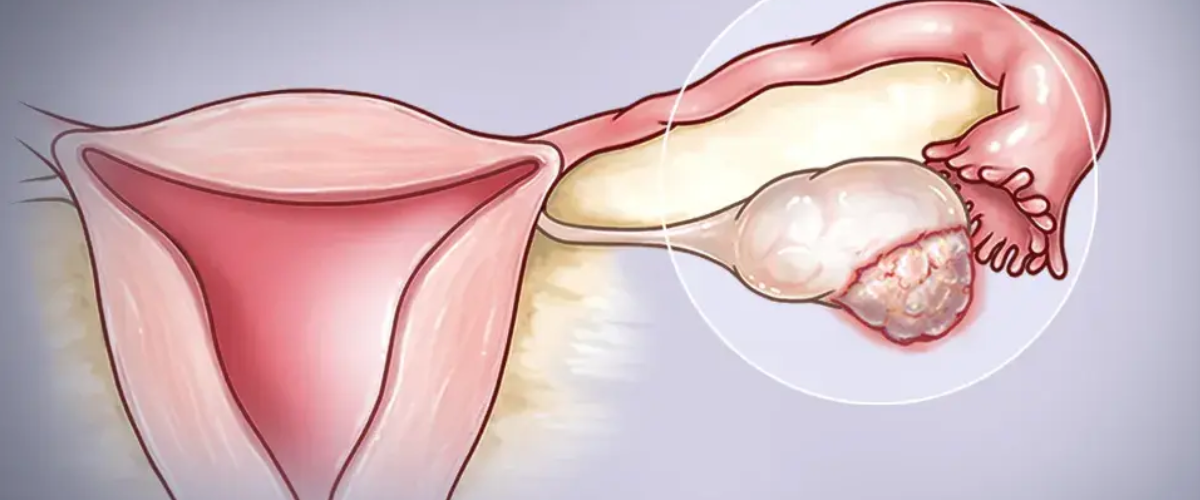
There is a well‑established medical link between ovarian cancer and breast cancer, and it is primarily genetic.
🔬 The Genetic Connection
- BRCA1 and BRCA2 mutations:
- Inherited faults in these genes significantly increase the risk of both breast and ovarian cancer.
- Women with BRCA1 mutations have about a 40–60% lifetime risk of breast cancer and a 20–40% risk of ovarian cancer.
- BRCA2 mutations also raise risks, though typically slightly lower than BRCA1.
- Family history:
- Having close relatives with breast or ovarian cancer increases the likelihood of carrying these mutations.
📊 Shared Risk Factors
| Risk Factor | Impact on Breast Cancer | Impact on Ovarian Cancer |
|---|---|---|
| BRCA1/BRCA2 mutations | Strongly increased risk | Strongly increased risk |
| Family history | Higher risk | Higher risk |
| Age | Risk rises with age | Risk rises with age |
| Obesity/overweight | Increased risk | Increased risk |
| Reproductive history (never carrying pregnancy to term) | Higher risk | Higher risk |
🩺 Clinical Implications
- Genetic testing: Recommended for individuals with family history of either cancer.
- Preventive strategies:
- Enhanced screening (mammograms, MRIs, transvaginal ultrasounds).
- Preventive surgeries (mastectomy, oophorectomy) in high‑risk cases.
- Lifestyle factors: Maintaining healthy weight, limiting alcohol, and regular exercise can help reduce risk.