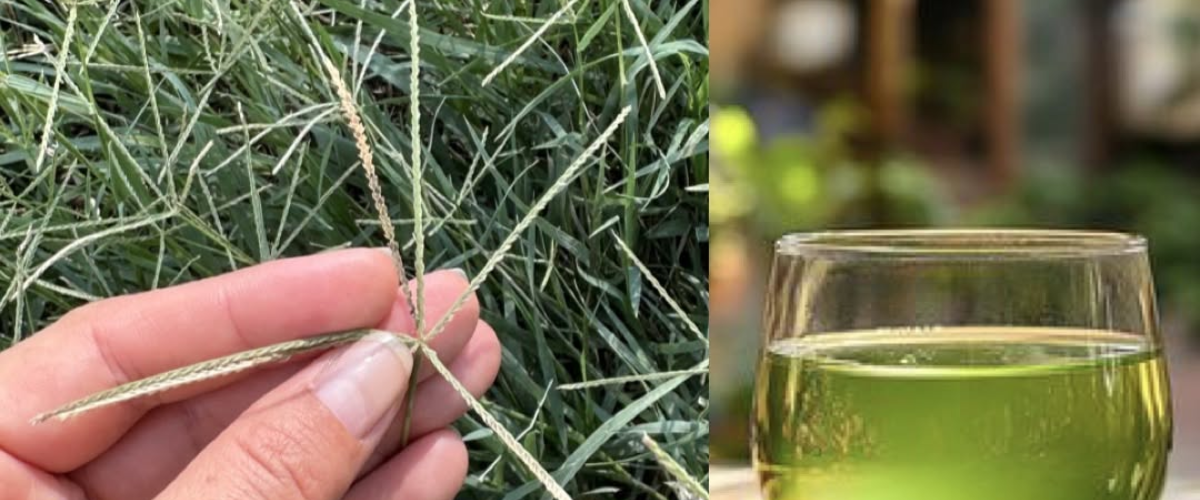
Klettenlabkraut ( Galium aparine ) wird oft als gewöhnliches Gartenunkraut abgetan, doch diese Pflanze wird in der traditionellen Medizin seit Jahrhunderten aufgrund ihrer bemerkenswerten therapeutischen Eigenschaften eingesetzt. Von der Förderung der Nierengesundheit bis zur Linderung von Hautirritationen bietet Klettenlabkraut ein breites Spektrum an gesundheitlichen Vorteilen. In diesem ausführlichen Ratgeber erfahren Sie, wie Sie Klettenlabkraut richtig erkennen, ernten, zubereiten und bei verschiedenen Beschwerden anwenden.
1. Identifizierung und Ernte
Gänsegras erkennen:
Gänsegras ist leicht an seinen langen, schlanken Stängeln zu erkennen, die mehrere Meter lang werden können. Die Pflanze trägt winzige, grünlich-weiße, sternförmige Blüten, die in Büscheln blühen. Ein besonders auffälliges Merkmal sind die kleinen, hakenförmigen Härchen an Stängeln und Blättern, mit denen sich die Pflanze an Kleidung, Fell und anderen Pflanzen festhält. Die Blätter sind schmal, lanzettlich und quirlständig um den Stängel angeordnet. Die korrekte Bestimmung von Gänsegras ist für die sichere Ernte und Verwendung unerlässlich.
Beste Erntezeit:
Am besten erntet man Gänsegras im Frühling, kurz vor der Blüte. Dann sind die jungen Triebe besonders zart und nährstoffreich und enthalten die höchste Konzentration an wertvollen Inhaltsstoffen. Zum Ernten schneidet man die Stängel einfach bodennah ab. Achten Sie darauf, das Gras in pestizid- und schadstofffreien Gebieten zu sammeln, um seine Reinheit und Unbedenklichkeit zu gewährleisten.

2. Zubereitung zur medizinischen Verwendung
Reinigung und Trocknung von Gänsegras:
Nach der Ernte ist es wichtig, das Gänsegras gründlich zu reinigen. Spülen Sie die Stängel und Blätter unter fließendem, kaltem Wasser ab, um Schmutz und Insekten zu entfernen. Gänsegras kann frisch verwendet werden, ist aber durch das Trocknen länger haltbar. Zum Trocknen bündeln Sie die Stängel und hängen sie kopfüber an einem gut belüfteten Ort ohne direkte Sonneneinstrahlung auf. Nach dem Trocknen kann die Pflanze mehrere Monate in einem luftdichten Behälter aufbewahrt werden.
Hier sind drei nützliche Rezepte mit Gänsegras, die Sie leicht zubereiten können:
1. Gänsegrastee
Zutaten:
- 2 Teelöffel getrocknetes Gänsegras (oder 4 Teelöffel frisches)
- 1 Tasse kochendes Wasser
Anweisungen:
- Das getrocknete oder frische Gänsegras in eine Tasse geben.
- Übergießen Sie es mit kochendem Wasser und lassen Sie es etwa 10 Minuten ziehen.
- Den Tee abseihen und bis zu dreimal täglich genießen.
Vorteile: Dieser Tee ist bekannt für seine entgiftenden Eigenschaften, fördert den Lymphabfluss, reinigt das Blut und unterstützt die Nierenfunktion.

2. Gänsegras-Aufguss
Zutaten:
- A handful of fresh goose grass (with roots)
- 4 cups of water
Instructions:
- Wash the goose grass and its roots thoroughly.
- In a pot, bring 4 cups of water to a boil.
- Add the washed goose grass to the boiling water and simmer for 15-20 minutes.
- Strain the liquid and let it cool slightly before drinking.
Benefits: This infusion can help alleviate back pain and bone issues, thanks to its anti-inflammatory properties.
3. Goose Grass Smoothie
Ingredients:
- 1 cup of fresh goose grass
- 1 banana
- 1 cup of spinach
- 1 cup of almond milk (or any milk of choice)
- Honey or sweetener to taste (optional)
Instructions:
- Wash the fresh goose grass thoroughly.
- In a blender, combine the goose grass, banana, spinach, and almond milk.
- Blend until smooth. Add honey or sweetener if desired.
- Pour into a glass and enjoy!
Benefits: This nutritious smoothie combines the detoxifying effects of goose grass with the vitamins from spinach and banana, providing a refreshing and healthy drink.

3. Therapeutic Uses
Skin Irritations and Wounds:
Goose grass is well-known for its ability to soothe skin irritations and promote healing. It can be used to treat conditions such as eczema, psoriasis, and minor wounds. To make a poultice, crush fresh goose grass leaves and apply them directly to the affected area. The plant’s anti-inflammatory properties help reduce redness and swelling, while its antibacterial qualities aid in preventing infection.
Kidney Health and Detoxification:
As a powerful diuretic, goose grass is excellent for flushing toxins from the body through the kidneys. Regular consumption of goose grass tea can help prevent and relieve urinary tract infections, reduce water retention, and support overall kidney health. This makes it a valuable herb for detoxification regimens.
Lymphatic System Support:
Goose grass is often used to support the lymphatic system, which is crucial for maintaining a healthy immune response. The plant’s cleansing properties help to reduce lymphatic swelling (lymphadenopathy) and can be beneficial in treating conditions like lymphedema. Incorporating goose grass into your diet or using it topically can enhance lymphatic drainage and improve immune function.

4. Additional Benefits
Weight Loss Aid:
Due to its diuretic effects, goose grass can be a useful addition to weight management efforts. By helping the body shed excess water weight and promoting detoxification, goose grass tea can complement a healthy diet and exercise routine.
Hair Care:
The high silica content in goose grass strengthens hair and improves its overall health. You can make a hair rinse by boiling a handful of fresh goose grass in water, letting it cool, and then using the liquid as a final rinse after shampooing. This rinse adds shine to the hair and helps prevent breakage.
5. Cautions and Considerations
Allergy Alert:
As with any herbal remedy, it’s important to test goose grass on a small area of skin before using it extensively, especially if you have sensitive skin or a history of allergies. Some individuals may experience mild irritation or an allergic reaction.
Consult a Healthcare Provider:
While goose grass is generally safe for most people, it’s wise to consult with a healthcare provider before incorporating it into your routine, particularly if you have pre-existing health conditions or are pregnant or breastfeeding.
6. Goose Grass Tea, Smoothies, and Soups
Goose Grass Tea:
As mentioned earlier, goose grass tea is a simple and effective way to enjoy the plant’s detoxifying benefits. Drink it regularly to support your lymphatic system and overall health.
Goose Grass Smoothies:
For a nutrient-packed smoothie, blend fresh goose grass leaves with fruits like bananas, apples, and a handful of spinach. Add a splash of coconut water or almond milk for a refreshing, healthy drink that supports digestion and detoxification.
Goose Grass Soup:
To make a nutritious soup, simmer goose grass with vegetables such as carrots, celery, and onions. Add a dash of olive oil, salt, and pepper to taste. This soup is not only comforting but also beneficial for your kidneys and immune system.

Goosegrass Pesto Recipe
Ingredients:
- 1 cup fresh Goosegrass (young tips work best)
- 1 clove garlic
- 1/4 cup grated Parmesan cheese (optional for extra flavor)
- 1/4 cup olive oil (adjust to desired consistency)
- 1/4 cup toasted nuts (cashews, walnuts, or pine nuts – optional for creaminess)
- A squeeze of fresh lemon juice
- Salt and pepper to taste
Instructions:
- Wash the Goosegrass thoroughly and remove any tough stems.
- In a blender or food processor, combine Goosegrass, garlic, Parmesan (if using), and nuts.
- Slowly drizzle in olive oil while blending until the mixture reaches your desired pesto consistency.
- Add a squeeze of lemon juice and season with salt and pepper to taste.
- Blend once more and adjust seasoning if necessary.
Enjoy this vibrant pesto over pasta, as a spread on bread, or as a topping for grilled vegetables!
Goosegrass and Hair Loss: Natural Remedy for Stronger Hair
Goosegrass, is a wild grass often overlooked—but in traditional remedies, it’s valued for its rich healing properties. When used on hair, Goosegrass is believed to:
Stimulate hair growth – Its antioxidant and anti-inflammatory properties may help nourish hair follicles and promote regrowth.
Improve scalp circulation – A decoction or rinse made from Goosegrass can help improve blood flow to the scalp, supporting stronger roots.
Reduce scalp inflammation – It calms irritation and soothes the scalp, which is often a hidden cause of hair fall.
Reinigen und entgiften – Gänsegras hilft, Ablagerungen und Giftstoffe auf der Kopfhaut zu beseitigen und so ein gesünderes Umfeld für das Haarwachstum zu schaffen.
Anwendungshinweise:
- Eine Handvoll frisches Gänsegras in Wasser (etwa 2 Tassen) 10–15 Minuten kochen lassen.
- Abkühlen lassen und abseihen.
- Verwenden Sie das Wasser 2-3 Mal pro Woche als Kopfhautspülung oder Haarspray.
7. Wo man Gänsegras findet
Wo man es findet:
Gänsegras wächst häufig in Gärten, auf Wiesen und an Waldrändern. Es gedeiht in nährstoffreichen, feuchten Böden und bevorzugt schattige oder halbschattige Standorte. Falls Sie es nicht selbst sammeln können, ist getrocknetes Gänsegras manchmal in Naturkostläden oder Online-Shops für Kräuter erhältlich.
Abschluss
Gänsegras ist weit mehr als nur ein gewöhnliches Unkraut; es ist eine wirkungsvolle Heilpflanze mit vielfältigen therapeutischen Anwendungsmöglichkeiten. Ob Sie Ihren Körper entgiften, Hautirritationen lindern oder Ihr Lymphsystem unterstützen möchten – dieses vielseitige Kraut hat für jeden etwas zu bieten. Indem Sie lernen, Gänsegras richtig zu erkennen, zuzubereiten und anzuwenden, können Sie seine natürlichen Heilkräfte nutzen und es zu einem wertvollen Bestandteil Ihrer Gesundheits- und Wellnessroutine machen.