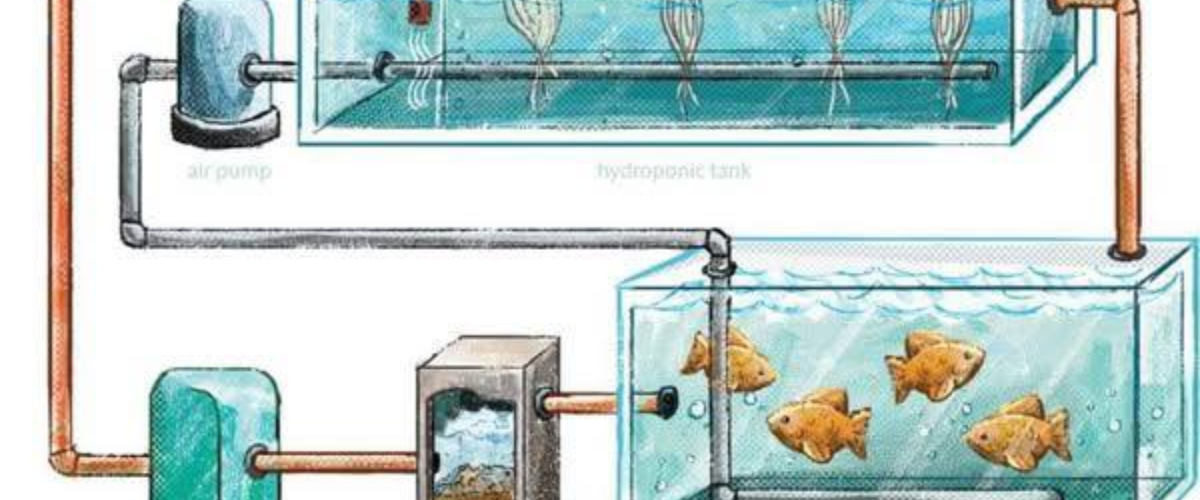
Aquaponik ist ein revolutionärer Ansatz für den Hausgartenbau, der Aquakultur (Fischzucht) und Hydroponik (Pflanzenzucht im Wasser) in einem einzigen geschlossenen Kreislaufsystem kombiniert. Diese nachhaltige Methode ermöglicht es Ihnen, gleichzeitig Pflanzen und Fische zu züchten und so eine symbiotische Beziehung zu schaffen, in der jedes Element vom anderen profitiert. Die Fische versorgen die Pflanzen durch ihre Ausscheidungen mit Nährstoffen, während die Pflanzen dabei helfen, das Wasser für die Fische zu filtern und zu reinigen. Aquaponik ist nicht nur effizient und umweltfreundlich, sondern auch eine lohnende Möglichkeit, frische Lebensmittel direkt in Ihrem Garten oder in Innenräumen zu produzieren. In dieser Anleitung führen wir Sie durch die Schritte zum Einrichten Ihres eigenen Aquaponiksystems, von der Auswahl des richtigen Standorts bis zur Aufrechterhaltung eines florierenden Ökosystems.
Schritt 1: Wählen Sie Ihren Standort
Die Wahl des richtigen Standortes ist entscheidend für den Erfolg Ihrer Aquaponik-Anlage:
- Lichtbedarf : Stellen Sie sicher, dass der Standort ausreichend natürliches Licht hat, da die meisten Pflanzen täglich mindestens 6-8 Stunden Sonnenlicht benötigen. Wenn das natürliche Licht begrenzt ist, sollten Sie Wachstumslampen verwenden, um das für das Pflanzenwachstum erforderliche Lichtspektrum bereitzustellen.
- Temperatur und Klima : Der Standort sollte eine stabile Temperatur aufweisen, die sowohl für die Pflanzen als auch für die Fische geeignet ist. Extreme Temperaturen können die Fische stressen und das Pflanzenwachstum hemmen. Idealerweise sollten Innensysteme in einem klimatisierten Bereich stehen, während Außensysteme bei extremem Wetter Schatten oder Isolierung benötigen können.
- Zugang zu Strom und Wasser : Positionieren Sie Ihr System in der Nähe einer zuverlässigen Stromquelle, um Pumpen, Lichter und möglicherweise Heizungen zu betreiben. Sorgen Sie außerdem für einfachen Zugang zu Wasser zum Befüllen und Auffüllen des Aquariums.
- Platzbedarf : Wählen Sie je nach Größe Ihres Systems einen Standort, der für Wartung und Ernte leicht zugänglich ist. Vertikale Systeme können Platz sparen und sind ideal für kleinere Bereiche.
Schritt 2: Das Aquarium einrichten
Das Aquarium ist das Herzstück Ihres Aquaponik-Systems und die Wahl des richtigen Aquariums ist entscheidend:
- Tankgröße : Die Größe des Tanks sollte dem verfügbaren Platz und der Fischart entsprechen, die Sie züchten möchten. Für Anfänger ist ein Tank mit 100 bis 200 Gallonen ideal, da die Wasserqualität in größeren Mengen leichter aufrechterhalten werden kann. Kleinere Tanks (20 bis 50 Gallonen) sind ebenfalls eine Option für Innensysteme, erfordern jedoch eine häufigere Überwachung.
- Material : Aquarien können aus verschiedenen Materialien hergestellt werden, darunter Kunststoff, Fiberglas und Glas. Stellen Sie sicher, dass das Material lebensmittelecht und frei von Chemikalien ist, die den Fischen schaden könnten. Kunststoffaquarien sind leicht und langlebig, was sie zu einer beliebten Wahl macht.
- Standort : Stellen Sie den Tank auf eine stabile, ebene Fläche, die das Gewicht des mit Wasser gefüllten Tanks tragen kann. Stellen Sie sicher, dass er zum Füttern, Reinigen und Überwachen leicht zugänglich ist.
- Fish Species: Choose fish that are compatible with the climate and water conditions in your area. Common choices include tilapia, catfish, goldfish, and koi. If you live in a colder climate, consider cold-water species like trout or perch.
Step 3: Install a Grow Bed
The grow bed is where your plants will thrive, and it plays a critical role in filtering the water:
- Positioning: Place the grow bed above the fish tank to allow gravity to return filtered water back to the tank. This setup minimizes the need for complex plumbing and ensures efficient water flow.
- Media: Fill the grow bed with a suitable growing medium that supports plant roots and facilitates nutrient exchange. Popular choices include expanded clay pebbles, gravel, and lava rock. These media are inert, provide good drainage, and promote the growth of beneficial bacteria.
- Size and Depth: The size of the grow bed should be proportional to the fish tank. A general rule is to have a grow bed that is about half the size of the fish tank. The depth of the grow bed should be at least 12 inches to allow root development and adequate filtration.
Step 4: Connect a Water Pump
A reliable water pump is essential for circulating water between the fish tank and grow bed:
- Pump Selection: Choose a pump that can circulate the entire volume of water in your fish tank at least once per hour. This ensures that nutrients are continuously delivered to the plants and that the water remains oxygenated for the fish.
- Plumbing: Use food-grade tubing to connect the pump to the grow bed. The pump will push water from the fish tank into the grow bed, where the plants absorb nutrients, and then the filtered water will return to the fish tank. Include a bell siphon or overflow drain to regulate water levels and prevent flooding in the grow bed.
- Backup Power: Consider installing a battery backup or solar power system to keep the pump running during power outages, which can be critical for the health of your fish.
Step 5: Cycle the System
Before adding fish, it’s important to cycle the system to establish beneficial bacteria:
- Understanding Cycling: Cycling refers to the process of building up colonies of nitrifying bacteria that convert toxic ammonia (from fish waste) into nitrites and then into nitrates, which are less harmful and serve as nutrients for plants.
- Fishless Cycling: To cycle your system without fish, add an ammonia source (such as pure ammonia or decomposing organic matter) to the fish tank. Monitor the ammonia, nitrite, and nitrate levels using a water testing kit. The cycling process usually takes 4-6 weeks, during which ammonia and nitrite levels will spike before dropping as nitrates increase.
- Fish-In Cycling: If you prefer to cycle with fish, start with a small number of hardy fish and monitor water parameters closely. Be prepared to do partial water changes to keep ammonia and nitrite levels safe for the fish during the cycling process.
- Beneficial Bacteria: Encourage bacterial growth by maintaining a water temperature between 77°F and 86°F (25°C and 30°C) and ensuring adequate oxygenation through aeration or water movement.
Step 6: Add Fish and Plants
Once the system is cycled, it’s time to introduce your fish and plants:
- Fish Introduction: Gradually acclimate the fish to their new environment by floating their bag in the fish tank for about 15-20 minutes to equalize the temperature. Then, slowly release the fish into the tank.
- Planting: Choose plants that thrive in the same conditions as your fish. Leafy greens like lettuce, spinach, and kale are ideal for beginners, as they grow quickly and don’t require a lot of nutrients. Other suitable plants include herbs (basil, mint, parsley), tomatoes, peppers, and strawberries.
- Spacing: Ensure proper spacing between plants in the grow bed to allow for air circulation and root growth. Start with seedlings or cuttings rather than seeds, as they establish faster in the aquaponics system.
Step 7: Monitor and Maintain
Regular monitoring and maintenance are crucial for keeping your aquaponics system healthy:
- Water Quality: Test water parameters regularly, including pH, ammonia, nitrite, and nitrate levels. Ideal pH levels for aquaponics range from 6.8 to 7.2. Adjust pH using natural buffers like crushed eggshells (to raise pH) or peat moss (to lower pH).
- Feeding: Feed the fish a balanced diet, but avoid overfeeding, as excess food can decay and pollute the water. Remove any uneaten food after 30 minutes.
- Plant Health: Monitor plant growth and health, looking for signs of nutrient deficiencies or pests. Prune plants regularly to promote growth and prevent overcrowding.
- System Maintenance: Clean the grow bed periodically to remove any debris or dead plant material. Check the pump and plumbing for blockages or leaks, and ensure that all equipment is functioning properly.
- Harvesting: Harvest plants regularly to encourage continuous growth and remove fish waste from the tank as needed. Regular harvesting also helps maintain a balanced ecosystem.
Benefits of Aquaponics
- Sustainability: Aquaponics is a closed-loop system that uses minimal water and eliminates the need for chemical fertilizers. It’s an eco-friendly way to grow your own food.
- Space Efficiency: Aquaponics systems can be set up in small spaces, making them ideal for urban environments or those with limited outdoor space.
- Frische Produkte und Fisch : Mit Aquaponik können Sie zu Hause frische Bio-Produkte anbauen und Fische züchten und sich so eine zuverlässige Quelle für gesunde Lebensmittel sichern.
Herausforderungen und Überlegungen
- Anfängliche Einrichtungskosten : Obwohl Aquaponik auf lange Sicht Geld sparen kann, können die anfänglichen Einrichtungskosten für Tanks, Pumpen und andere Ausrüstung hoch sein.
- Lernkurve : Aquaponik erfordert ein grundlegendes Verständnis der Wasserchemie und der Systemwartung. Anfänger müssen möglicherweise eine Lernkurve bewältigen, während sie sich an die Verwaltung des Systems gewöhnen.
- Abhängigkeit von Elektrizität : Das System ist auf Elektrizität angewiesen, um Pumpen und Lichter zu betreiben. Stromausfälle können das Ökosystem stören, daher ist es wichtig, Backup-Optionen zu haben.
Haftungsausschluss
Aquaponik ist zwar eine nachhaltige und effiziente Methode zum Pflanzen- und Fischanbau, erfordert jedoch eine sorgfältige Überwachung und Pflege, um die Gesundheit von Fischen und Pflanzen zu gewährleisten. Informieren Sie sich immer über die spezifischen Bedürfnisse der von Ihnen gewählten Fisch- und Pflanzenarten und holen Sie sich Rat von erfahrenen Aquaponikern, wenn Sie mit dieser Methode noch nicht vertraut sind. Dieser Artikel dient nur zu Informationszwecken und sollte nicht als Ersatz für professionelle Beratung angesehen werden.
Beginnen Sie noch heute Ihre Aquaponik-Reise
Aquaponik bietet eine einzigartige und nachhaltige Möglichkeit, Ihre eigenen Lebensmittel anzubauen, indem sie die besten Aspekte der Aquakultur und Hydroponik in einem harmonischen System vereint. Indem Sie die in dieser Anleitung beschriebenen Schritte befolgen, können Sie einen blühenden Aquapon erstellen.